Retroreflectors
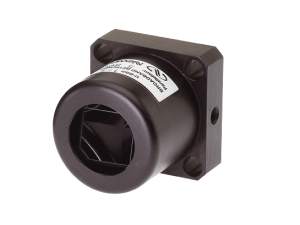
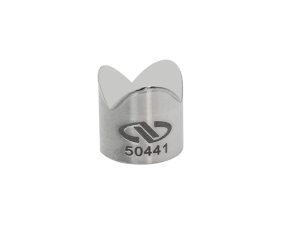
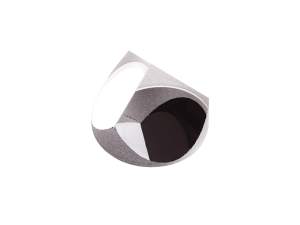
Our retroreflectors use the corner cube method to reflect a parallel return beam back from its source. The most economic choice is a solid glass retroreflector, where the input and return beams travel through glass such as N-BK7, but its applications are more limited. Hollow retroreflectors, in which the optical path is entirely in air, provide advantages such as a larger aperture (and hence, larger beam diameters), better preservation of polarization, and less dispersive effects. For ultrashort pulse applications, such as delay lines, a hollow retroreflector is ideal.