Multiple-Order Quartz Half-Wave Waveplates
Multiple-Order Quartz Half-Wave Waveplates
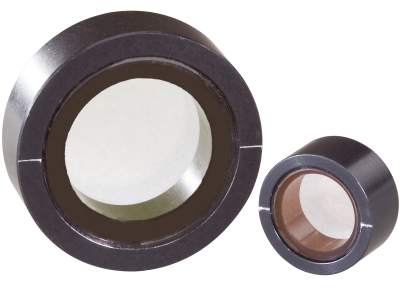
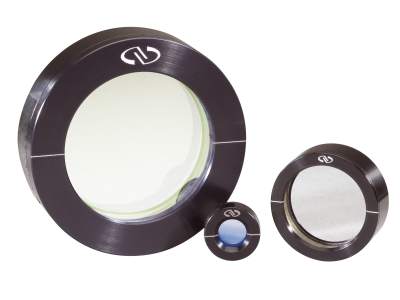
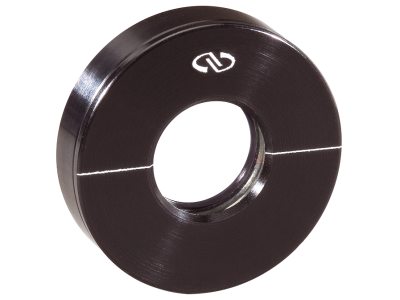
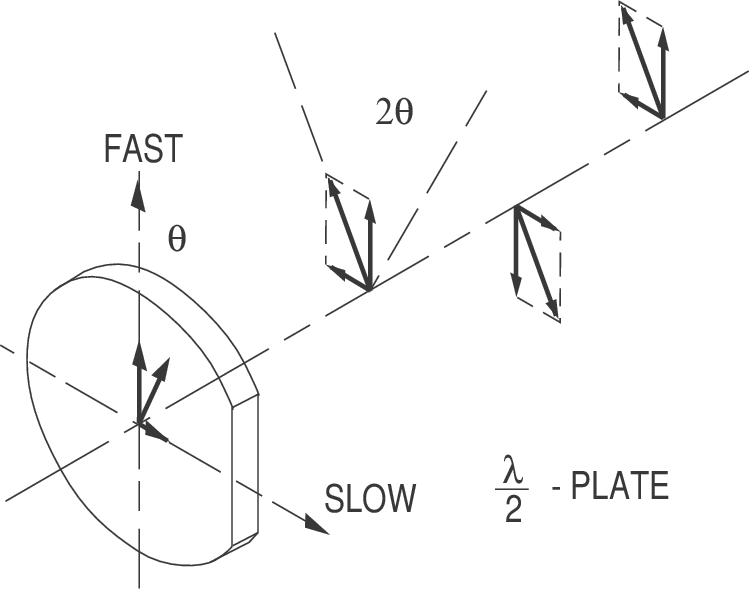
Multiple-order half-wave plates are an economical tool for controlling the polarization state of lasers or other narrowband light sources. These half-wave waveplates are used to rotate the polarization direction.
- Less costly than zero-order wave plates
- Quartz uniaxial crystal material
- Laser line antireflection V-coated for R <0.25% per surface
- Major laser wavelengths from 248–1550 nm See All Features
| Compare | Description | Drawings, CAD & Specs | Avail. | Price | ||
|---|---|---|---|---|---|---|
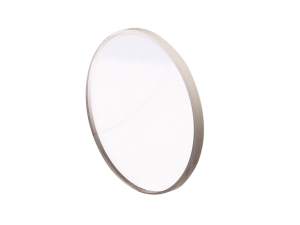 | 05RP12-02Half Wave Plate, Multiple-Order, Quartz, 12.7 mm Diameter, 266 nm | |||||
| 05RP12-08Half Wave Plate, Multiple-Order, Quartz, 12.7 mm Diameter, 354.7 nm | |||||
| 05RP12-41Half Wave Plate, Multiple-Order, Quartz, 12.7 mm Diameter, 413 nm | |||||
| 05RP12-12Half Wave Plate, Multiple-Order, Quartz, 12.7 mm Diameter, 488 nm | |||||
| 05RP12-16Half Wave Plate, Multiple-Order, Quartz, 12.7 mm Diameter, 532 nm | |||||
| 05RP22-05Half Wave Plate, Multiple-Order, Quartz, 12.7 mm Diameter, 532 & 1064 nm | |||||
| 05RP12-24Half Wave Plate, Multiple-Order, Quartz, 12.7 mm Diameter, 632.8 nm | |||||
| 05RP12-28Half Wave Plate, Multiple-Order, Quartz, 12.7 mm Diameter, 780 nm | |||||
| 05RP12-34Half Wave Plate, Multiple-Order, Quartz, 12.7 mm Diameter, 1064 nm | |||||
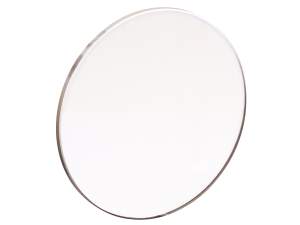 | 10RP12-02Half Wave Plate, Multiple-Order, Quartz, 25.4 mm Diameter, 266 nm | |||||
| 10RP12-08Half Wave Plate, Multiple-Order, Quartz, 25.4 mm Diameter, 354.7 nm | |||||
| 10RP12-12Half Wave Plate, Multiple-Order, Quartz, 25.4 mm Diameter, 488 nm | |||||
| 10RP12-16Half Wave Plate, Multiple-Order, Quartz, 25.4 mm Diameter, 532 nm | |||||
| 10RP22-05Half Wave Plate, Multiple-Order, Quartz, 25.4 mm Diameter, 532 nm & 1064 nm | |||||
| 10RP12-24Half Wave Plate, Multiple-Order, Quartz, 25.4 mm Diameter, 632.8 nm | |||||
| 10RP12-28Half Wave Plate, Multiple-Order, Quartz, 25.4 mm Diameter, 780 nm | |||||
| 10RP12-34Half Wave Plate, Multiple-Order, Quartz, 25.4 mm Diameter, 1064 nm |
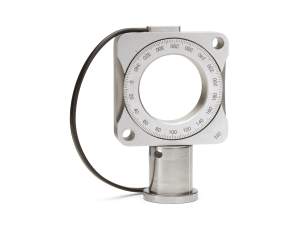
Mounting Options
Manual Rotation Mounts
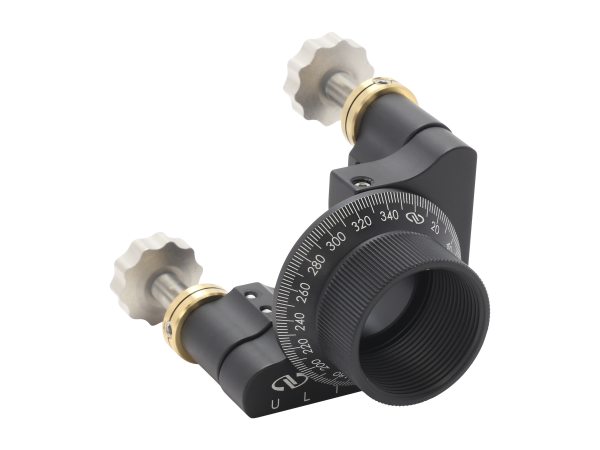 |
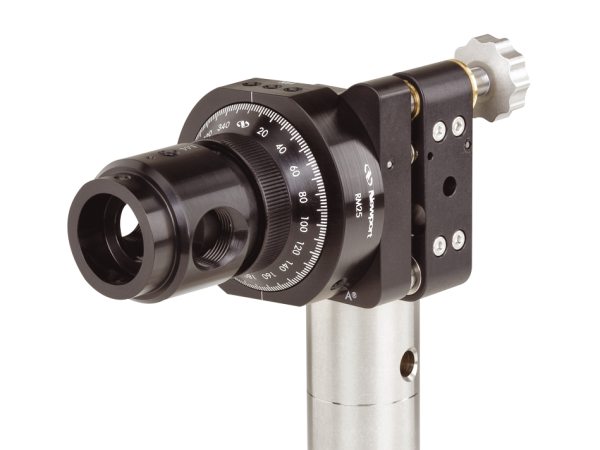 |
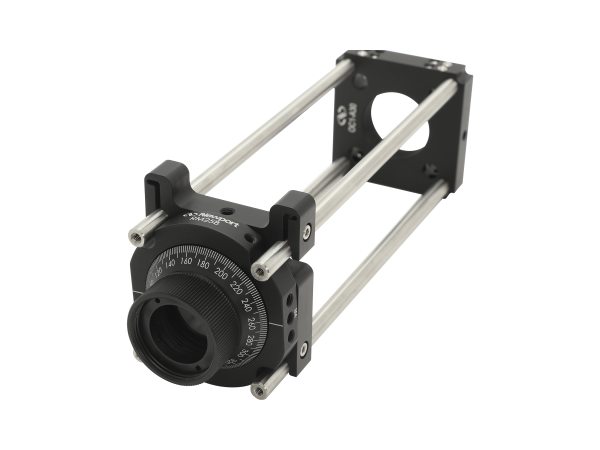 |
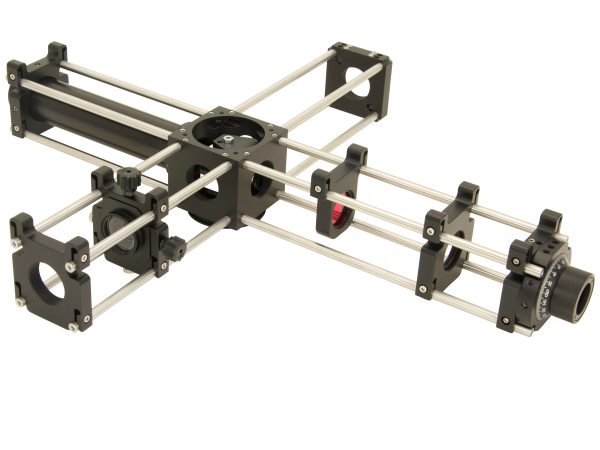 |
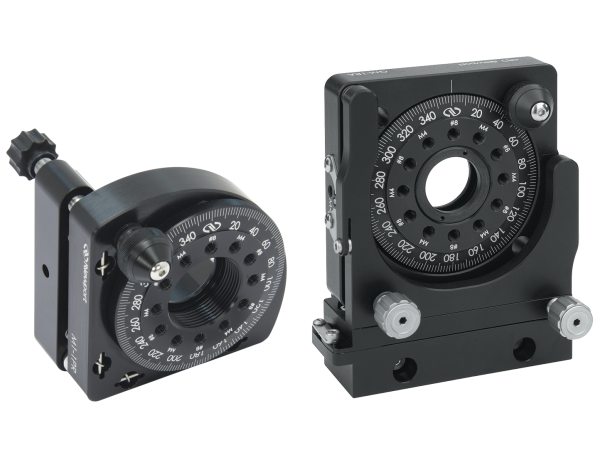 |
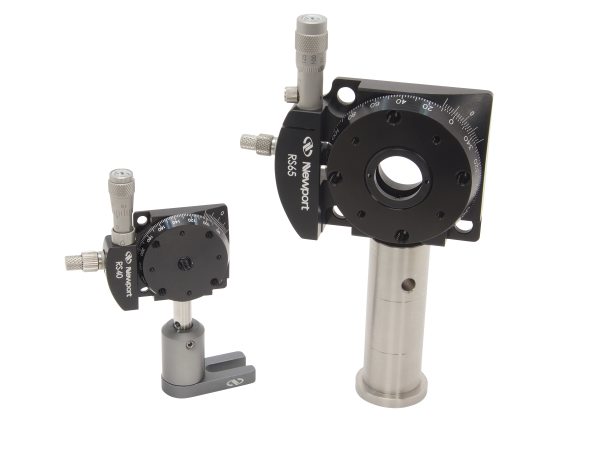 |
|
|---|---|---|---|---|---|---|
| Models | ( |
|||||
| Retaining Thread | 1.063-20 | |||||
| Compatible Optic Diameter* | 25.4 mm 12.7 mm ( |
|||||
| Special Features | 1 in. Mirror Mounts Compatibility | OpticsCage+™ Compatibility | Tip&Tilt Adjustments | Fine Adjustments | ||
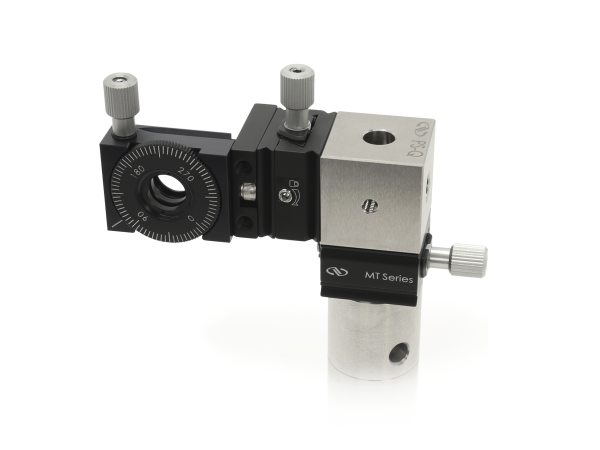 |
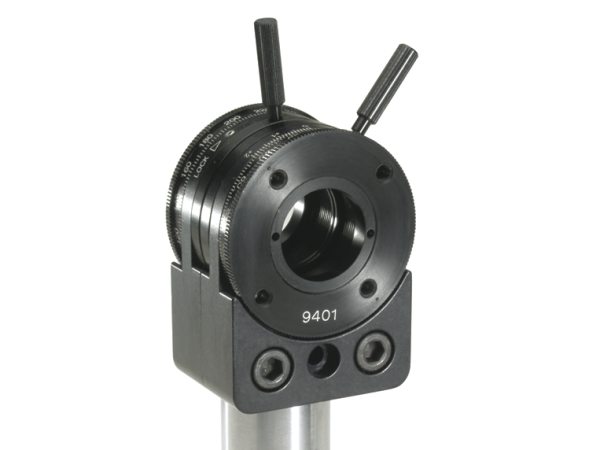 |
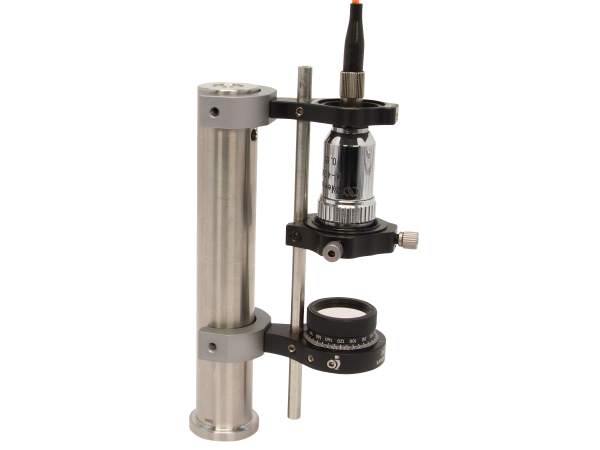 |
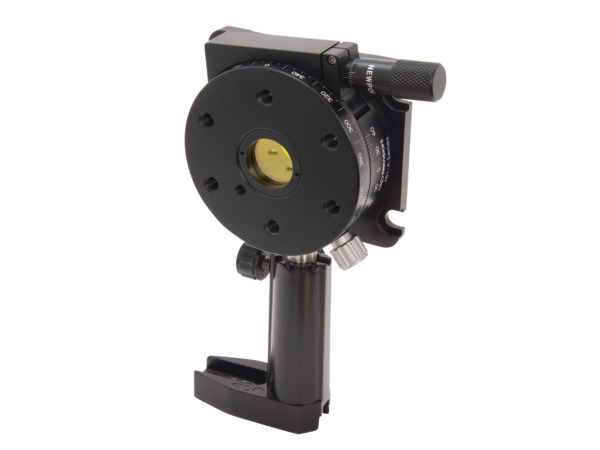 |
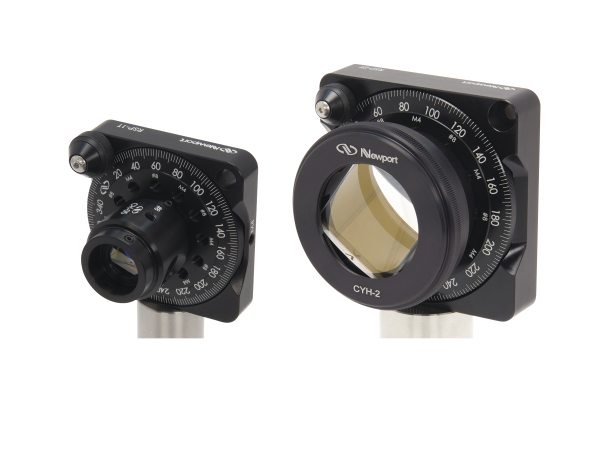 |
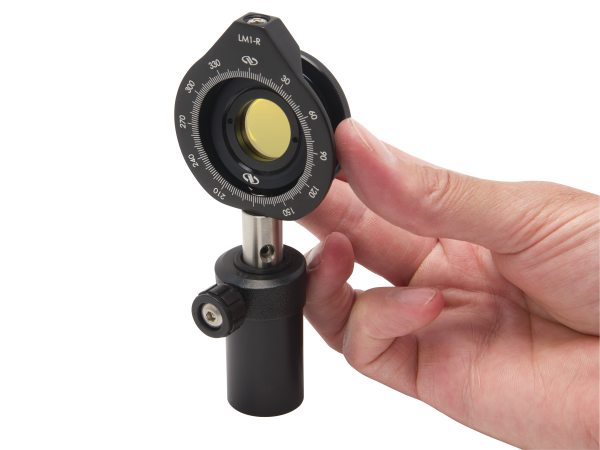 |
|
|---|---|---|---|---|---|---|
| Models | ( |
( |
( ( |
|||
| Retaining Thread | 0.546-32 | 1.040-32 | 1.035-40 | 1.063-20 | 2.063-20 1.063-20 |
– |
| Compatible Optic Diameter* | 12.7 mm | 25.4 mm | 25.4 mm 12.7 mm ( |
50.8 mm 25.4 mm 12.7 mm ( |
50.8 mm ( 38.1 mm ( 25.4 mm ( 12.7 mm ( 6.35 mm ( |
|
| Special Features | Compact | Stackable | A-Line™ Compatibility | Fine Adjustments | Quick Exchange | |
Motorized Rotation Mounts
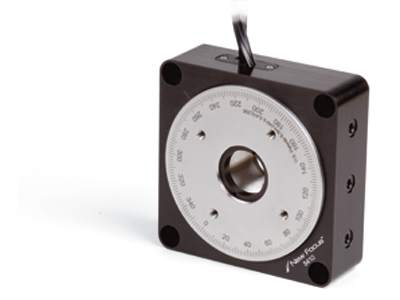 |
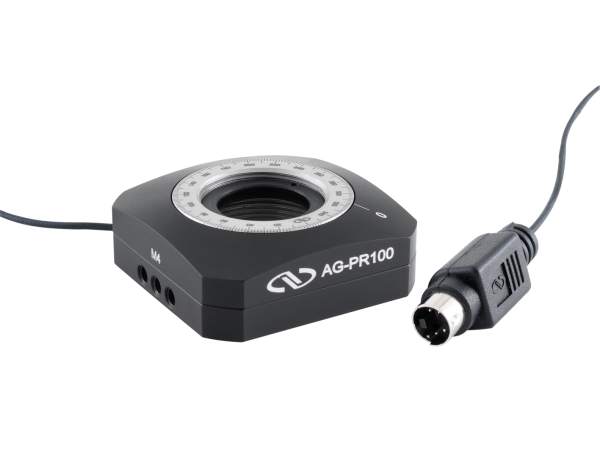 |
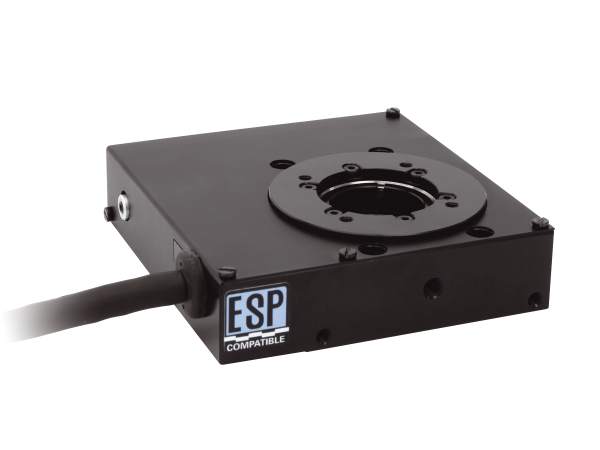 |
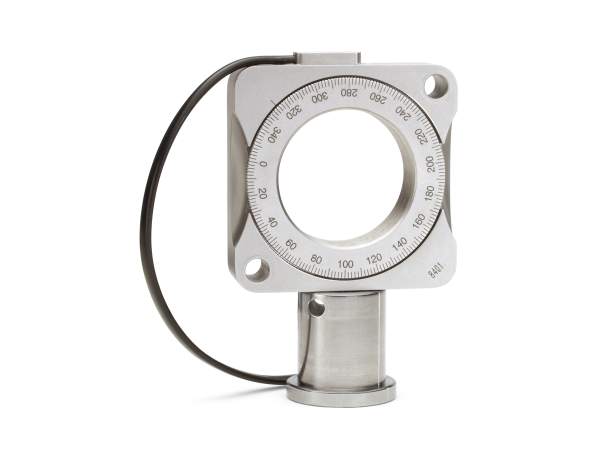 |
|
|---|---|---|---|---|
| Models | ( |
( ( |
||
| Retaining Thread | 1.040-32 | 1.063-20 | 1.563-20 | |
| Compatible Optic Diameters* | 25.4 mm | 25.4 mm 12.7 mm |
||
*The adapter in parentheses is required for the optic size before it.
Specifications
- MaterialQuartz
- ConstructionSingle Plate
- Retardationλ/2
- Retardation Accuracy±λ/300 at 20 ±1°C
- Damage Threshold2 MW/cm2 CW
- Pulse Damage Threshold2 J/cm2 with 10 nsec pulses
- Wavefront Distortion≤λ/10 at 632.8 nm over the full aperture
- Surface Quality10-5 scratch-dig
Features
Half Waveplates
Wavelength Sensitivity
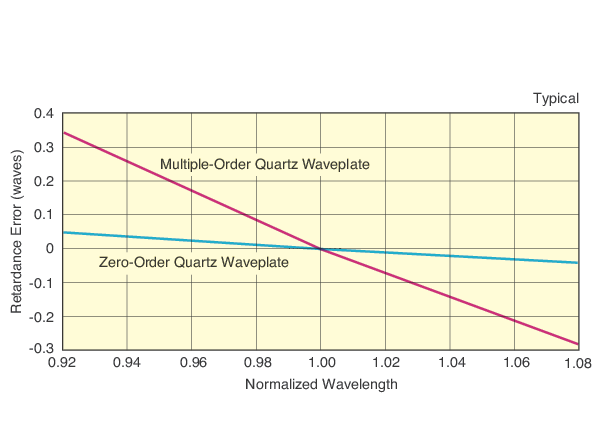
A wave plate of practical thickness produces a multiple of λ/4 or λ/2 retardation (e.g., 15 1/2 λ for a ~1mm thick optic). Such a plate will behave as expected at the design wavelength. However, as the optical wavelength is changed, the retardation will change much more rapidly than it would for a true zero-order wave plate. The higher the multiple (or order), the higher the retardance error a multiple-order waveplate will exhibit as the wavelength changes. For more information, please see our Introduction to Waveplates tutorial.
Temperature Sensitivity
How Quartz Waveplates Work
Quartz is an example of a uniaxial crystal, or crystal in which one axis has a different refractive index than the other two axes. The index associated with the unique axis is called the extraordinary index, the ordinary refractive index is associated with the remaining two axes. A half or quarter wave plate is a polished slice of a uniaxial crystal, in which the extraordinary axis lies within the plane of the optic. Light with polarization vector components oriented along the ordinary axis will undergo a phase delay relative to the perpendicular component oriented along the extraordinary axis. Change in polarization state will depend on the input state, and the physical orientation of the waveplate.