10 MHz Adjustable Fiber-Optic Receivers
10 MHz Adjustable Fiber-Optic Receivers

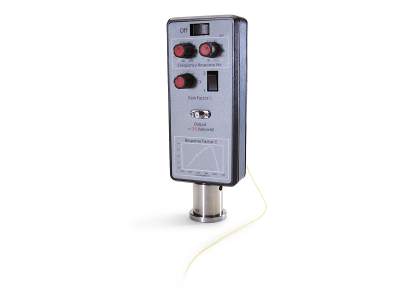
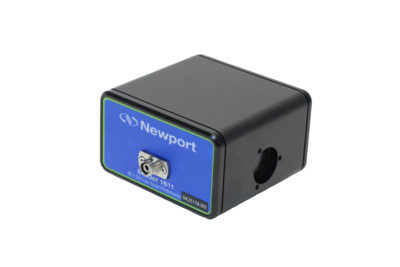
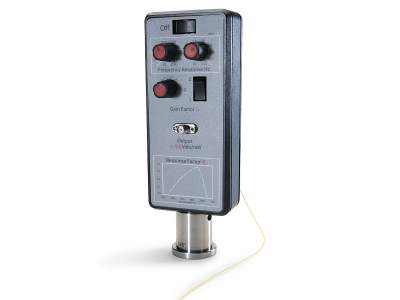
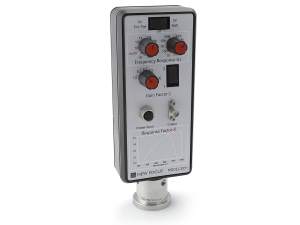
Just like our lower-frequency version, these 10 MHz adjustable fiber-optic receivers are the ideal optical front ends for systems requiring low-noise input. They have been engineered to eliminate most common sources of noise and drift, and have enough gain to pick up even very weak signals.
- 10 MHz versions of our popular 20x1 laboratory photoreceivers
- Adjustable high-pass and low-pass filters
- 10 MHz, 5 MHz and 150 kHz 3 dB bandwidths
- Variable-gain transimpedance amplifier
- Silicon or InGaAs versions See All Features
Specifications
- Detector Diameter2051: 0.9 mm
2053: 0.3 mm - Detector Material2051: Silicon
2053: InGaAs - Detector TypePIN
- 3 dB Bandwidth10 MHz, 5 MHz, 150 kHz
(measured at low-, medium- and high-gain settings) - Fiber-Optic ConnectorFC/UPC
- Fiber TypeSinglemode or multimode
- Maximum Transimpedance Gain18.4x106 V/A
- Rise Time80 ns
- Saturation Power2051: 10 mW @ 850 nm
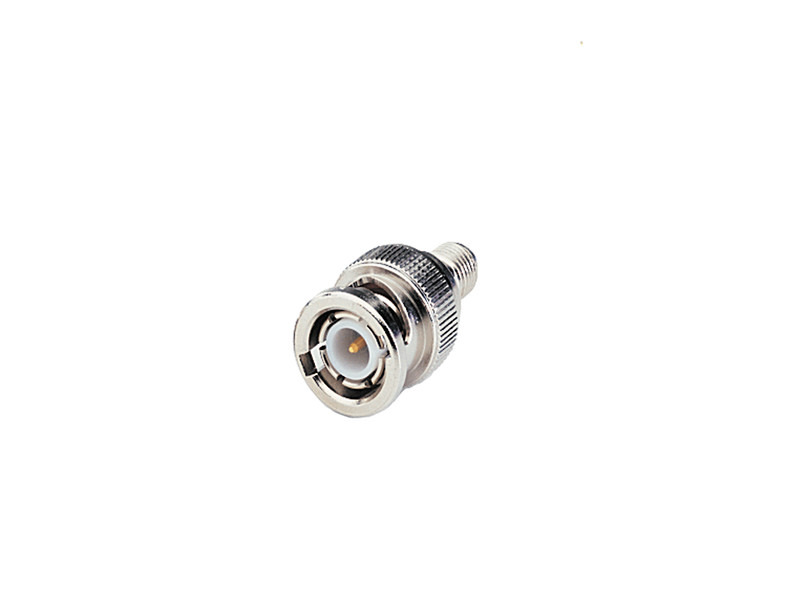
2053: 10 mW @ 1600 nm - Output ConnectorSMA
- Output Impedance16 Ω
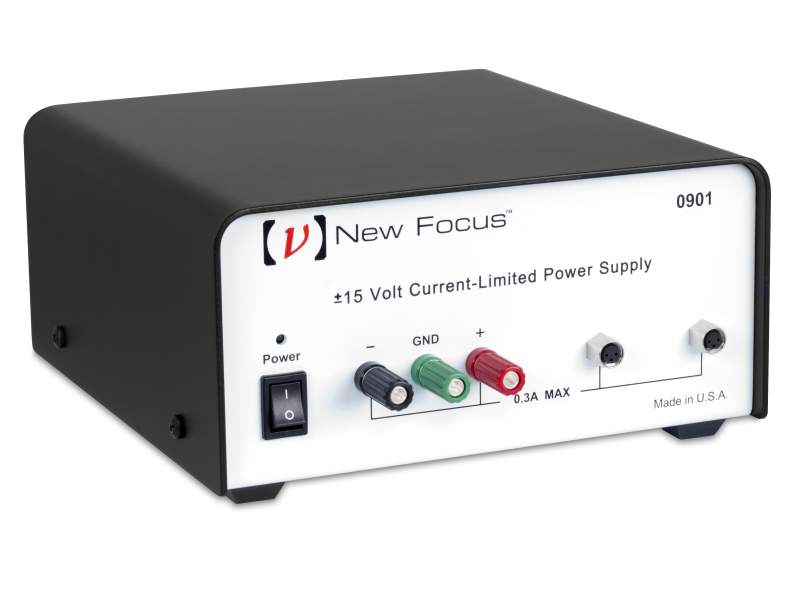
- Power Requirements±15 VDC or 9-V Battery
Features
Silicon or InGaAs Versions
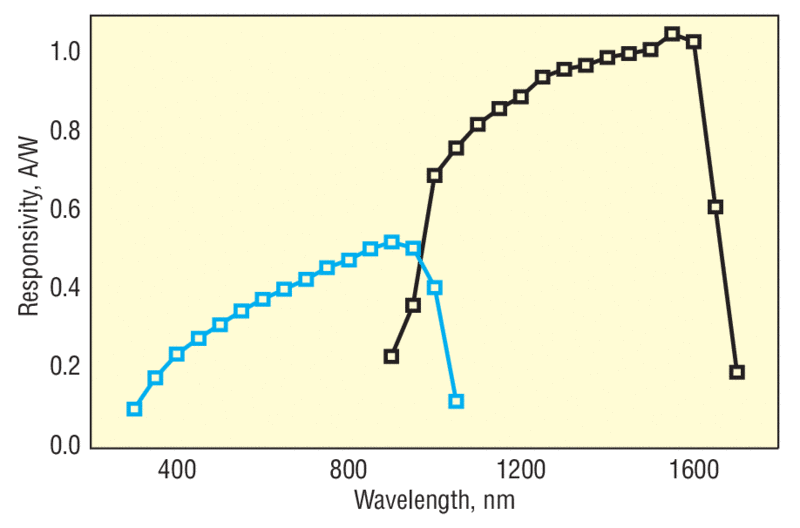
The silicon models (2051) provide wavelength coverage from 300-1050 nm, and InGaAs models (2053) provide coverage from 900-1700 nm. These detectors are available in the free space design as well as the fiber receptable design.
10 MHz Versions of our Popular 200 kHz Photoreceivers
In response to customer requests, we’ve extended the bandwidth of our popular 200 kHz photoreceivers to 10 MHz to provide faster photodetection for our customers. The output can be connected to a 1-MΩ oscilloscope input.
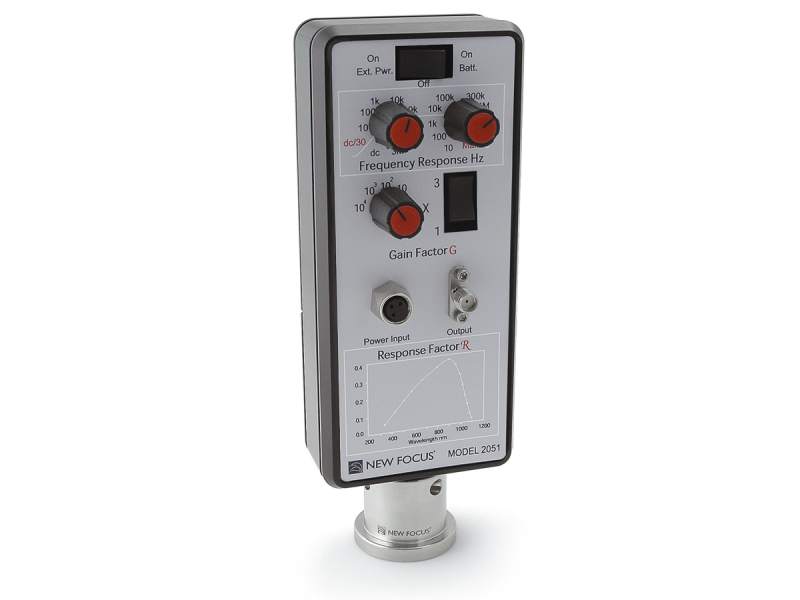
Variable-gain Transimpedance Amplifier
Adjustable High and Low Pass Filters
The DC÷30 setting prevents your signal from going off-scale due to DC amplitude fluctuations, without attenuating fast signals. The high-pass filter can be adjusted to eliminate residual 60-Hz noise, and the independent low-pass filter can be set to dampen noisy signals.