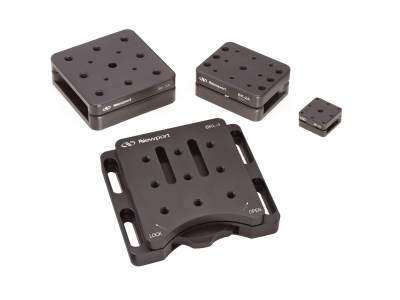
Kinematic Bases
Kinematic Bases
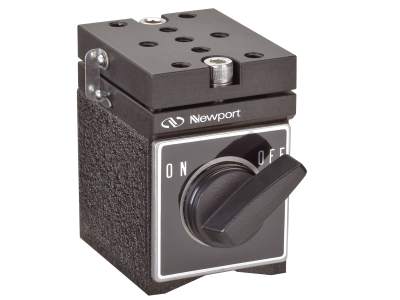
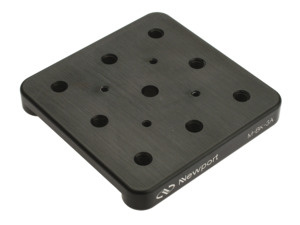
Kinematic bases allow you to mount, remove, and replace optical components with very high repeatability.
- Four different sizes
- Magnetically or mechanically coupled models
- BK Series has <100 µrad repeatability
- English and metric versions available
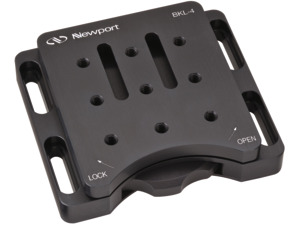
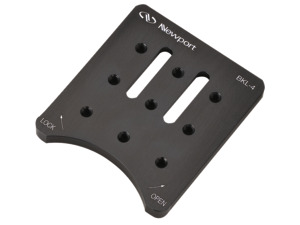
- BKL-4 can be locked in position See All Features


Features
Convenient Magnetic Coupling
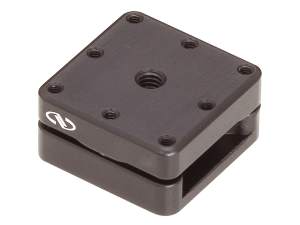
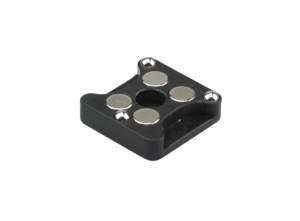
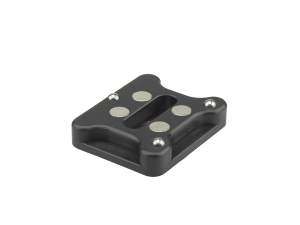
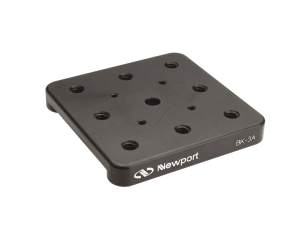
BK-Series bases utilize four high-strength magnets to securely couple the top and bottom plates together. The magnetically-coupled plates are easy to release by simply tilting the mounted component. The edges are chamfered to reduce the risk of pinching your fingers when coupling the top and bottom plates.

Four high-strength magnets in the BK-3A couple the plates together.
Bolt Down Anywhere at Any Orientation
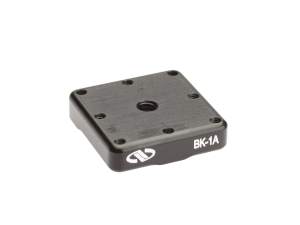
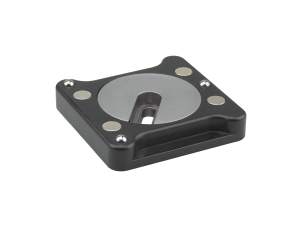
The BK-3A kinematic bases feature a freely rotating disk insert with an eccentric clearance slot. Permiting 0.72 in. of translation which covers at least half the diagonal distance of standard 1.0 in. (25 mm) mounting hole grids, this patented mounting method allows an optical component to blot down anywhere and at any orientation on our optical tables and breadboards.

Reliable Mechanical Coupling
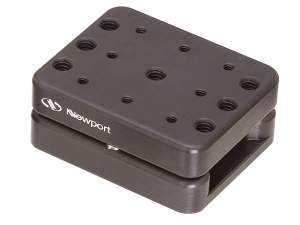
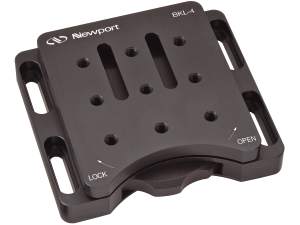
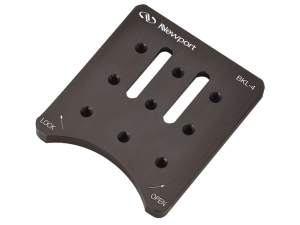
The BKL-4 Kinematic Bases are designed with a threaded lock-down mechanism located in the center of the base plate. Turning the thumb-wheel in the base plate rotates a threaded post, which tightens the tapped top plate to the base. Because the lock-down mechanism is located in the center of the three kinematic reference points, locking pressure is applied gradually and evenly for repeatable positioning time after time.
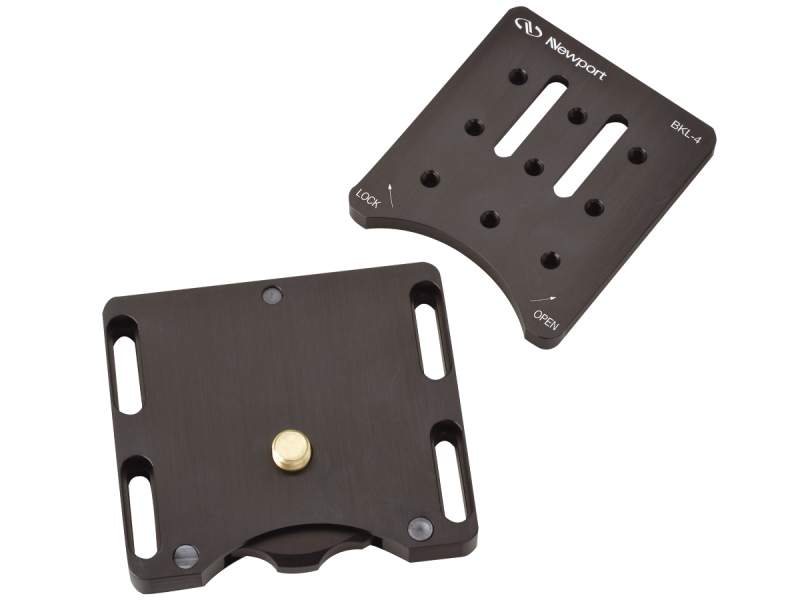
BKL-4 Locking Kinematic Base
Exceptional Repeatability
Three polished steel balls in the bottom plate register with a hardened cone, groove, and flat in the top plate so the two plates relocate precisely every time. These bases are especially time-saving in setups where optical elements must frequently be interchanged, or when reference elements must occasionally be inserted in an optical path.

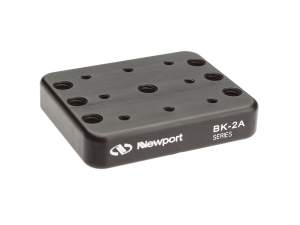
Top and Bottom Interfacing Surfaces of BK-2A