Low Profile Kinematic Stops and Nudgers
Low Profile Kinematic Stops and Nudgers
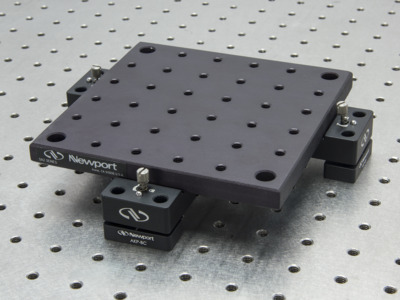
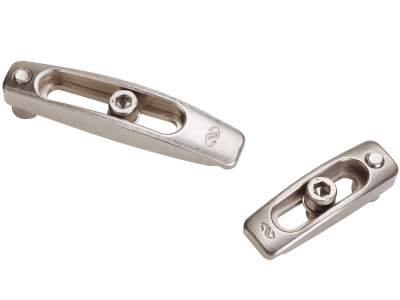
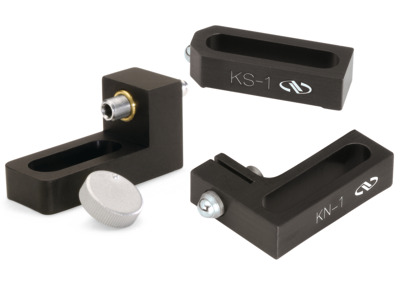
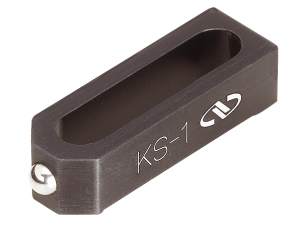
Kinematic stops are used as position index points to locate components on an optical table and allow them to be removed and inserted repeatedly. Kinematic nudgers are used to push or nudge a component, such as along a line defined by kinematic stops.
- Allows repeatable removal and insertion of components
- Position optical table mounted components with precision
- Lockable, low-profile design
- English and metric compatible See All Features
Features
How do they work?
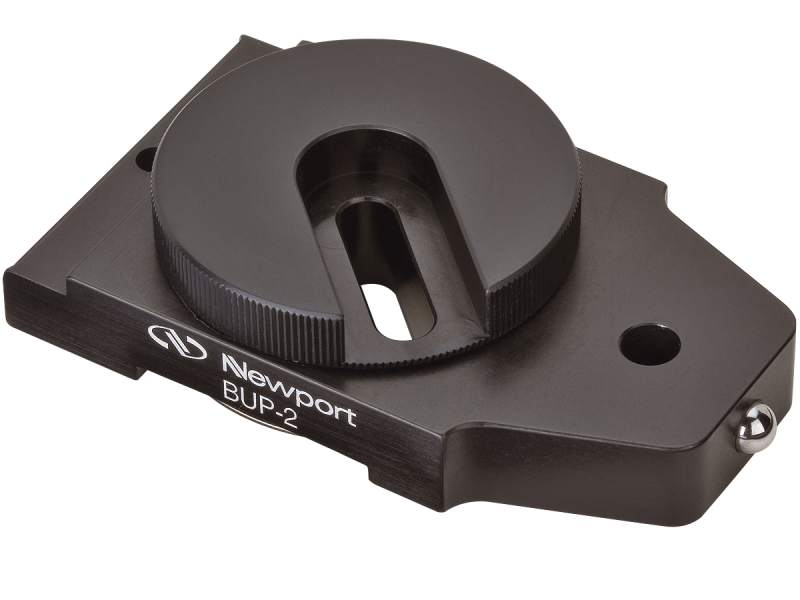
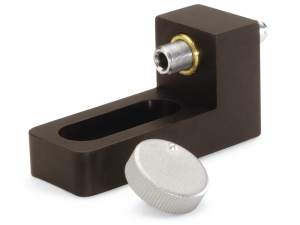
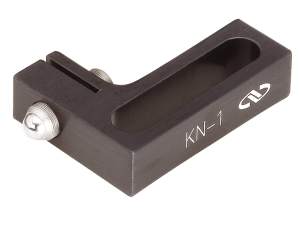
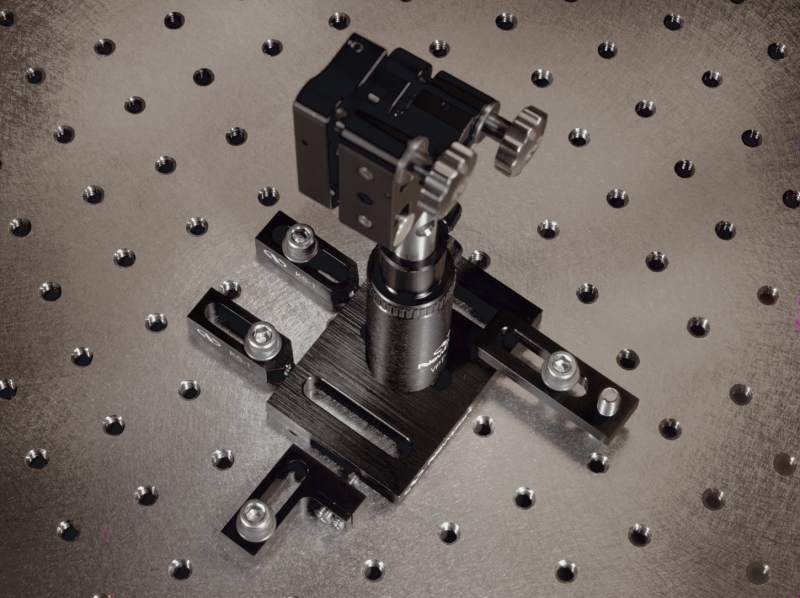
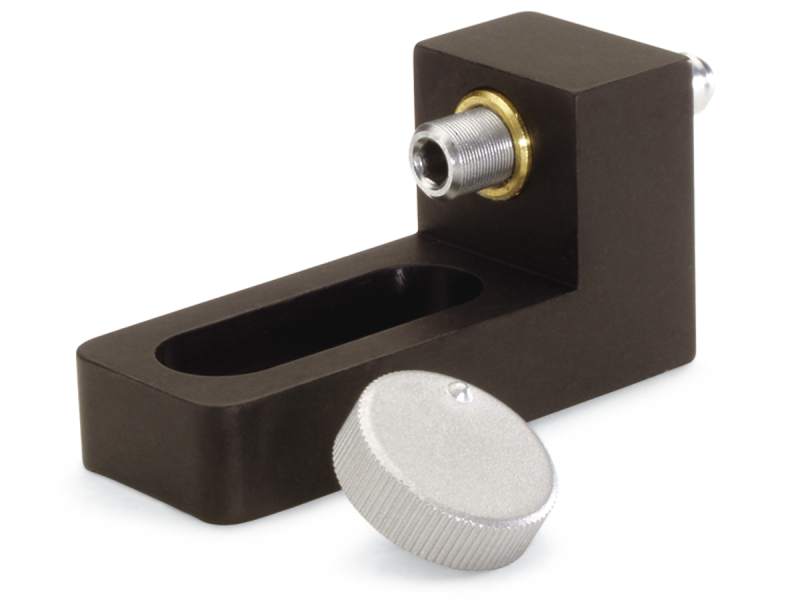
Stops and nudgers are used as position index points to locate components on an optical table and allow them to be repeatedly removed and inserted. They all have a hardened steel ball for a true one-point contact and are ideal for applications with constrained space. Additionally, nudgers feature 1/4-80 adjustment screws for precise relocation of the component and are usually used together with stops to nudge a component in the direction parallel to the reference edge defined by the stops.
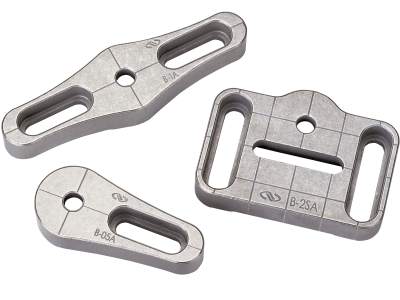
Slotted for Coarse Positioning
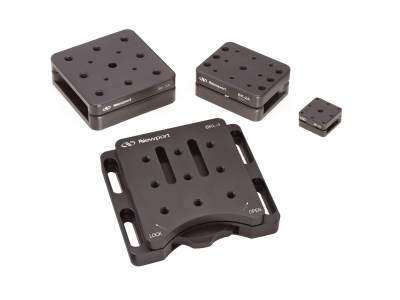
Keeping a Low Profile
Integrated Non-Influencing Locks
KN-1 features a patented locking mechanism that does not rotate the screw when engaged and therefore does not influence the screw's position.